
Throughout history, Pluto's transit through Aquarius has coincided with periods of significant revolutionary change, ushering in new ideas, systems, and social structures. While it is important to emphasize that these events are not caused by the position of celestial bodies, it is fascinating to observe the correlation between Pluto in Aquarius and transformative events in human history. The following list highlights some of the most notable instances of revolutionary change that have occurred during periods when Pluto was in Aquarius, illustrating the remarkable shifts in society, culture, and politics that have taken place during these times.
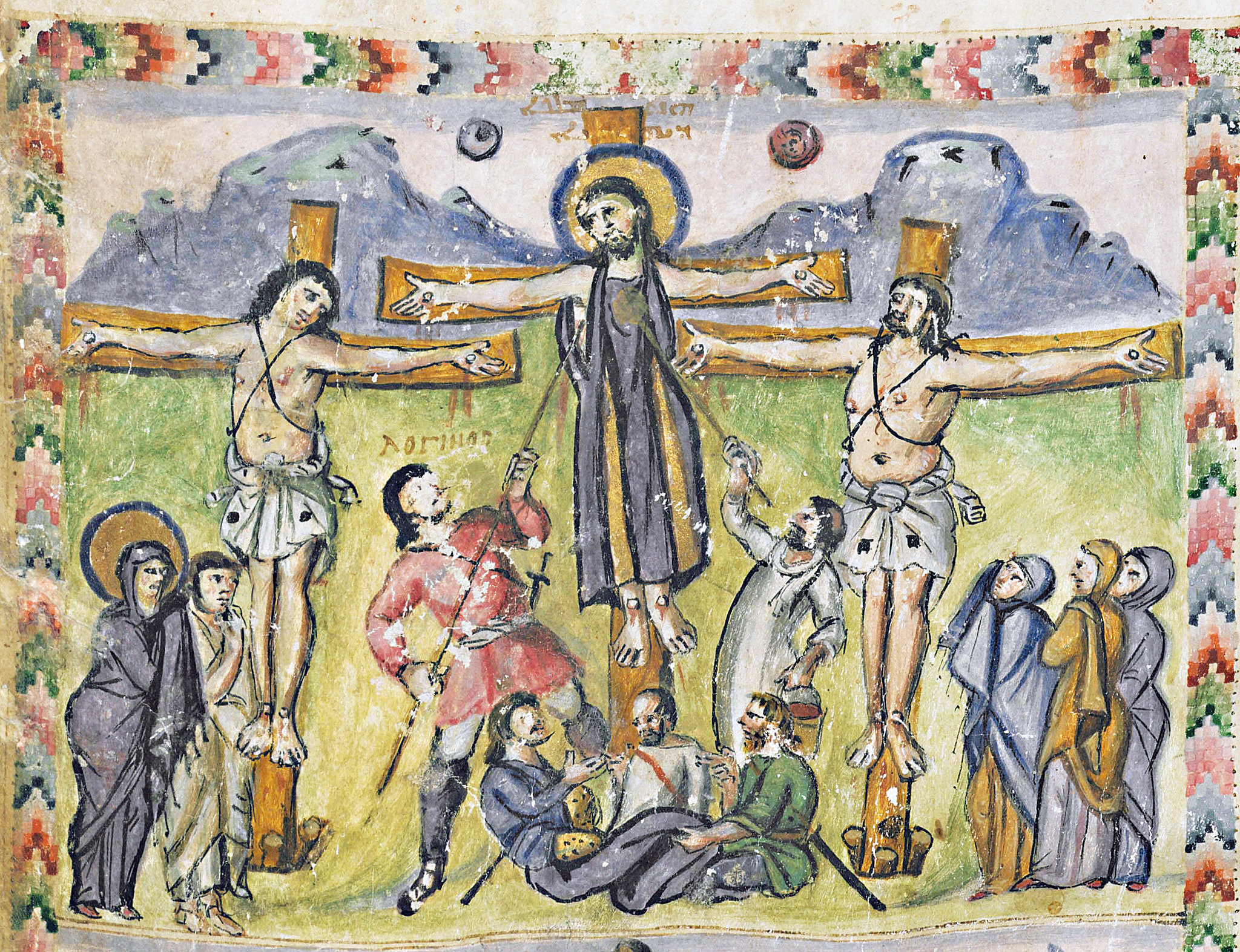
- 27 AD - 48 AD: The life and crucifixion of Jesus Christ, which led to the spread of Christianity, a major world religion.
Jesus Christ, the central figure of Christianity, lived during this period. His teachings, crucifixion, and reported resurrection served as the foundation for the development of the Christian faith. As Christianity spread, it had a profound impact on the world, shaping societies, cultures, art, and politics for centuries to come. The religion eventually became the dominant faith in the Roman Empire and, later, in Europe.
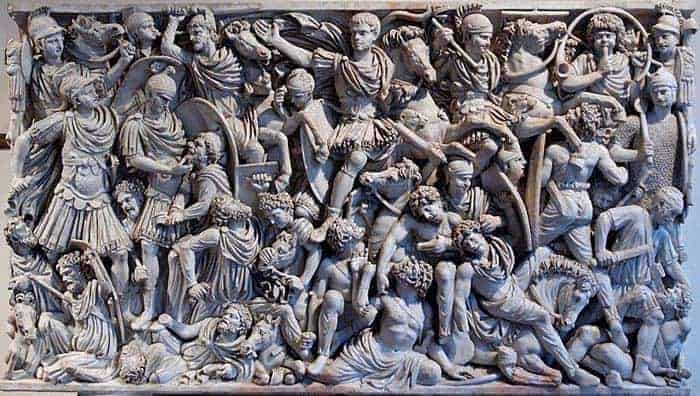
- 265 AD - 285 AD: The Crisis of the Third Century in the Roman Empire, characterized by political instability and economic decline.
The Crisis of the Third Century was a tumultuous period for the Roman Empire marked by political, military, and economic turmoil. The empire faced numerous problems, including the frequent change of emperors, external threats such as invasions by Germanic tribes, and internal divisions. The crisis weakened the empire, leading to its eventual division into the Eastern and Western Roman Empires. This period demonstrated the vulnerability of even the most powerful empires and set the stage for significant changes in European history.
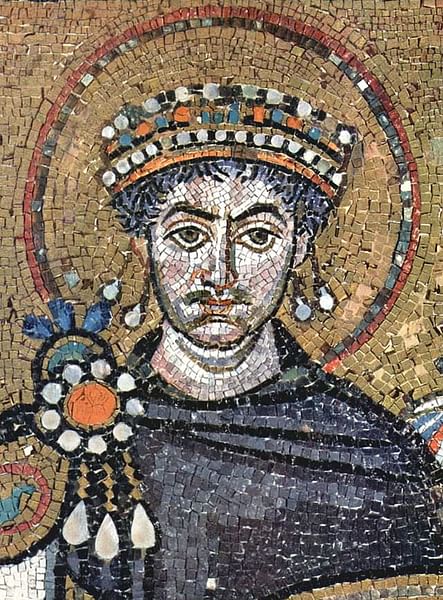
- 524 AD - 543 AD: The Corpus Juris Civilis, a significant legal code in the Byzantine Empire, was commissioned by Emperor Justinian I, which influenced the development of modern civil law systems.
Emperor Justinian I commissioned the Corpus Juris Civilis, a comprehensive legal code, during this period. It aimed to collect, organize, and standardize the legal knowledge of the Roman Empire. The Corpus Juris Civilis became a foundation for the Byzantine Empire's legal system and greatly influenced the development of civil law in Europe, shaping modern legal systems and concepts.
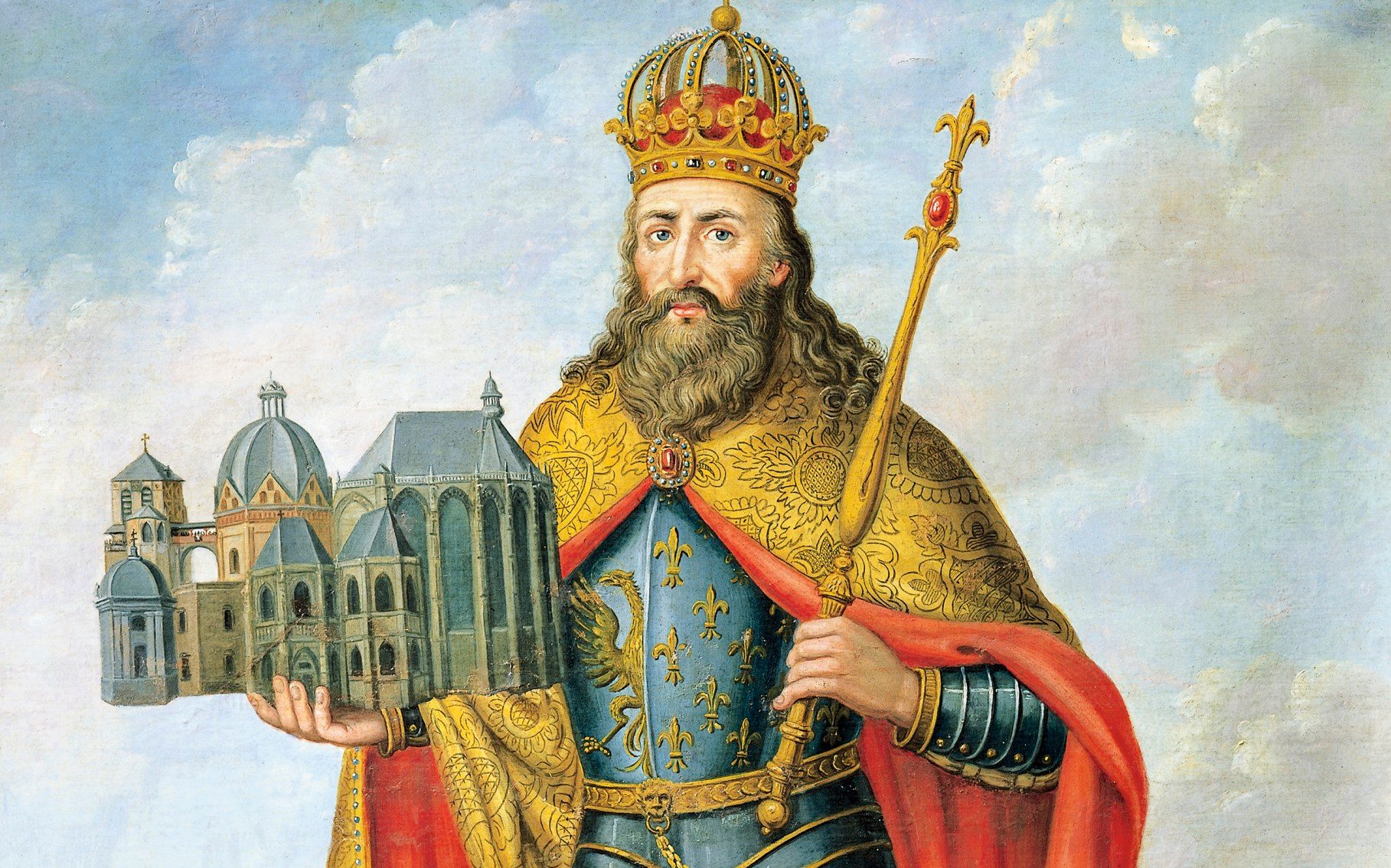
- 781 AD - 801 AD: The Carolingian Renaissance under Charlemagne, which marked a period of intellectual and cultural revival in the Frankish Empire.
The Carolingian Renaissance was a period of cultural and intellectual revitalization during the reign of Charlemagne, the first Holy Roman Emperor. He encouraged learning, arts, and the development of infrastructure throughout his empire. The Carolingian Renaissance had a lasting impact on European culture and helped preserve classical knowledge, which would later contribute to the broader European Renaissance.
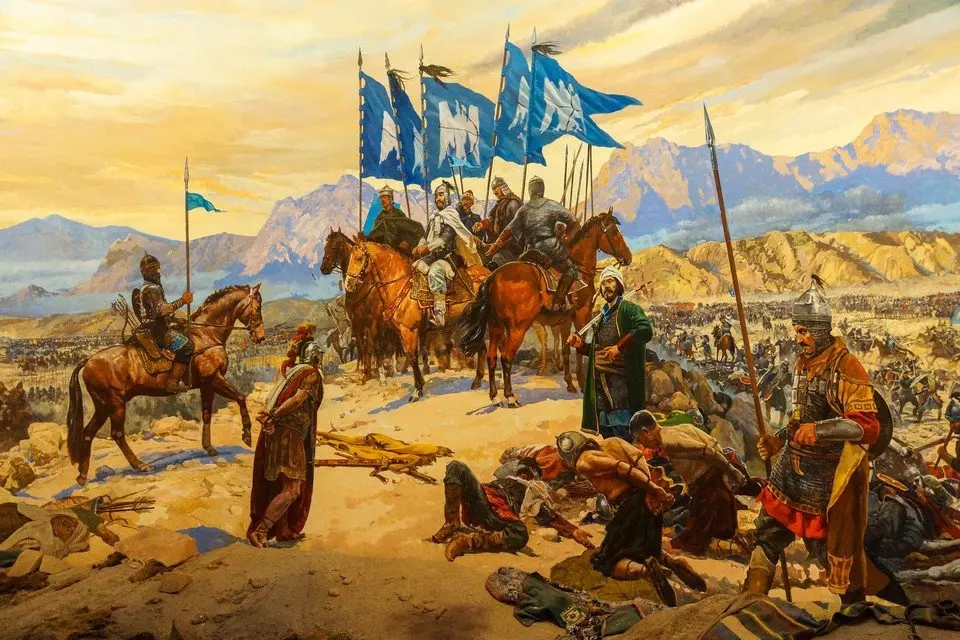
- 1029 AD - 1049 AD: The emergence of the Seljuk Turks, who established the Great Seljuk Empire, which played a crucial role in the history of the Middle East during the 11th and 12th centuries.
The Seljuk Turks emerged as a powerful force during this period, establishing the Great Seljuk Empire. They expanded their territory throughout the Middle East, conquering regions such as Persia and Anatolia. The Seljuk Empire's rise marked a significant shift in regional power dynamics, and their culture and institutions influenced the development of the Islamic world. Their conquest of Anatolia also set the stage for the eventual rise of the Ottoman Empire.
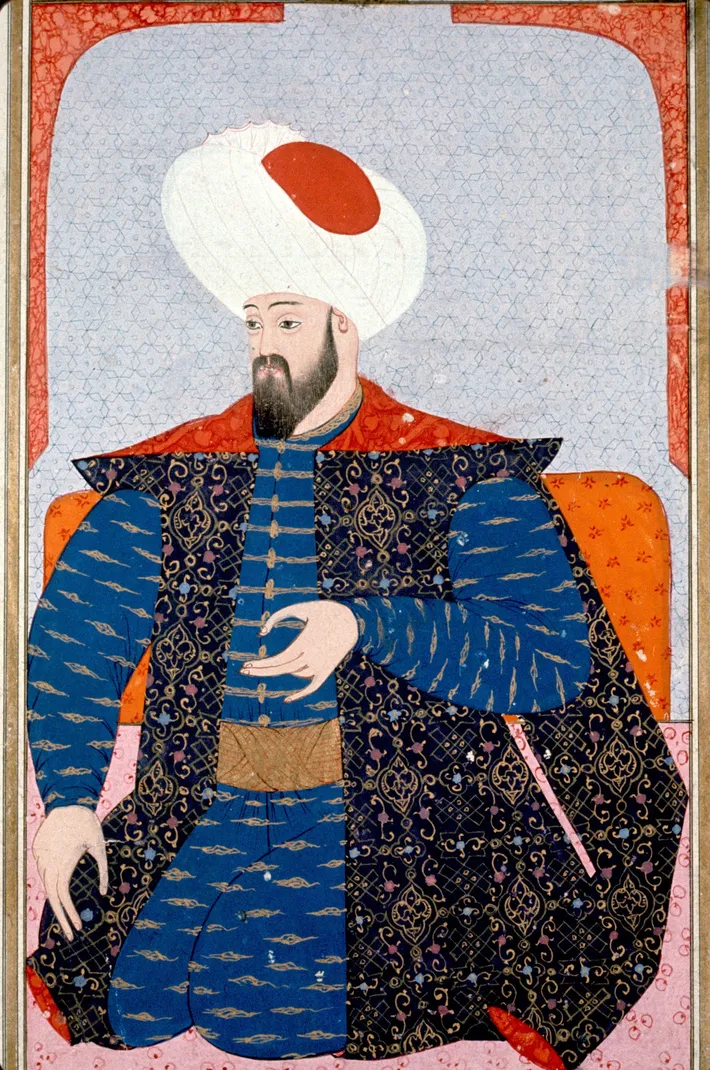
- 1281 AD - 1301 AD: The establishment of the Ottoman Empire in 1299, which became a major world power and lasted until 1922.
The Ottoman Empire was established by Osman I in 1299 and went on to become a dominant world power for centuries. The empire expanded its territory through conquests and diplomacy, controlling vast lands across Europe, Asia, and Africa. The Ottomans made significant contributions to art, architecture, and culture, while their rule shaped the history of the regions they governed. The empire's eventual decline and collapse after World War I led to the formation of modern Turkey and other nations.
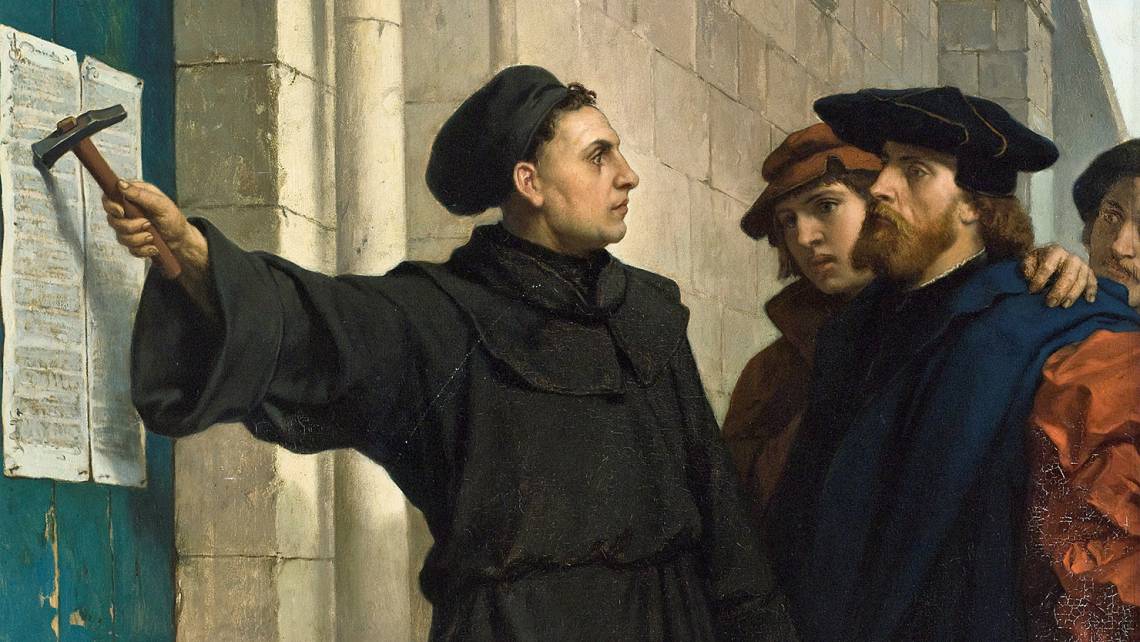
- 1533 AD - 1553 AD: The Protestant Reformation led by figures such as Martin Luther, which resulted in the creation of Protestantism and significant religious and political changes in Europe.
The Protestant Reformation, initiated by figures like Martin Luther, John Calvin, and Huldrych Zwingli, was a transformative religious, political, and cultural movement that emerged during this period. Challenging the authority of the Roman Catholic Church, the Reformation led to the development of various Protestant denominations. It also contributed to the fragmentation of the religious landscape in Europe, shaping the political and cultural identities of numerous nations. The Reformation set the stage for religious wars, the rise of nation-states, and the eventual decline of the Catholic Church's influence in Europe.
- 1785 AD - 1806 AD: The French Revolution (1789-1799) and the American Revolution (1775-1783), which established new political systems and had a profound impact on the world.
The French and American Revolutions were two significant political upheavals that occurred during this period. The American Revolution resulted in the United States' independence from British rule, establishing a new nation founded on principles of democracy, individual rights, and self-governance. Meanwhile, the French Revolution toppled the monarchy and led to radical social and political changes, such as the rise of secularism, nationalism, and the ideals of liberty, equality, and fraternity. These two revolutions not only transformed their respective countries but also served as inspiration for other nations seeking independence or social and political reform. Their impact can still be felt today, as the principles and values they promoted continue to shape modern politics and society.

As we approach the next transit of Pluto in Aquarius from January 23, 2024, to March 23, 2043, there is a sense of anticipation and uncertainty about the potential revolutionary changes that may take place. Many regions around the world, including the United States, are currently experiencing social, economic, and political tensions that suggest they may be ripe for significant transformation. It is possible that during this period, existing systems may falter or even fail, paving the way for new structures and paradigms to emerge. While it is impossible to predict with certainty the specific events that will occur, the historical correlation between Pluto in Aquarius and periods of revolutionary change suggests that this upcoming transit may herald a time of profound transformation and upheaval, ultimately leading to the creation of new systems and ways of life that better serve humanity.