Meet Nichole
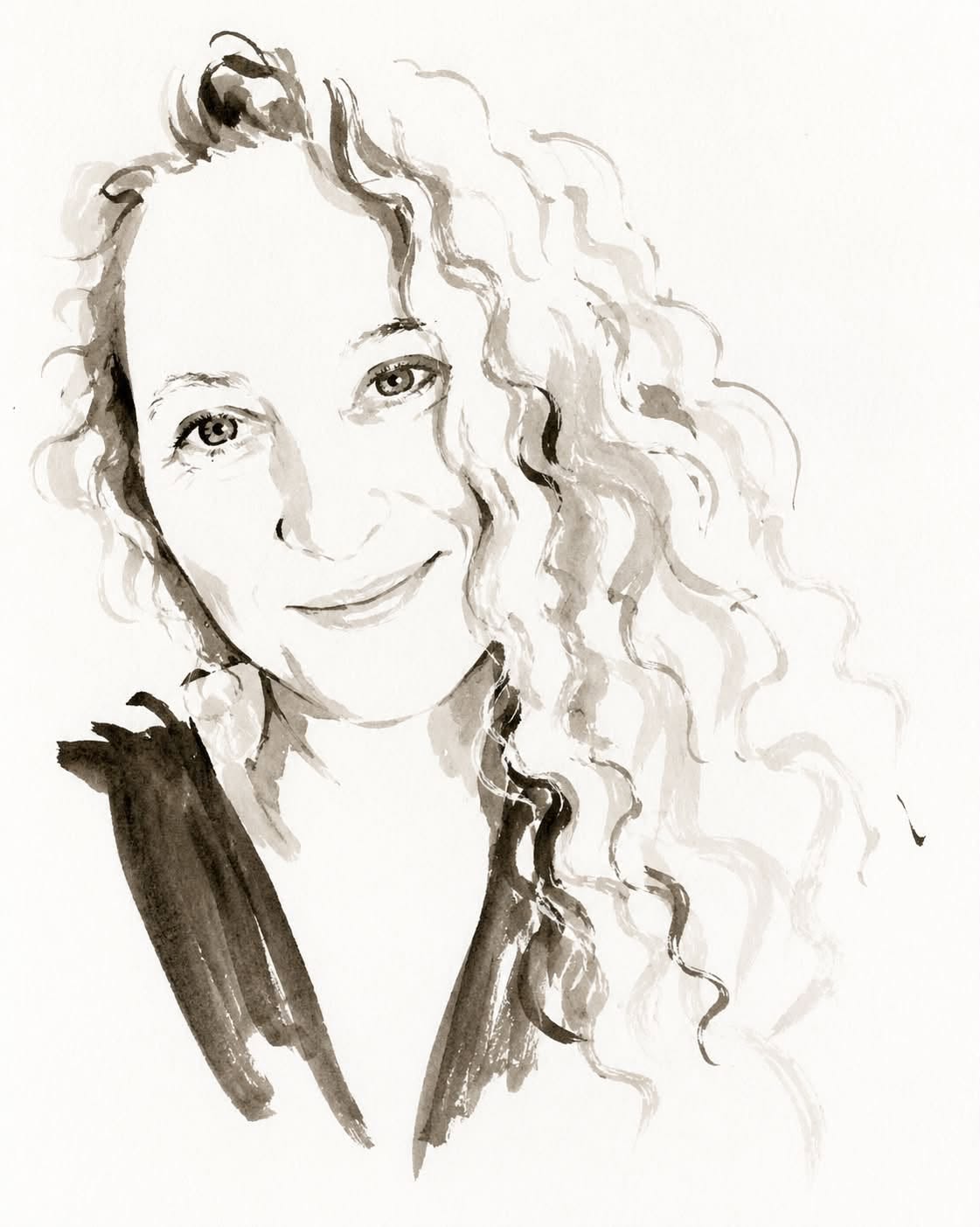
I’m Nichole, and I’ve been studying astrology for more than a decade.
Nichole is my middle name and the professional pseudonym I use for my astrology work — much like an author might use a pen name. I like having a name that belongs specifically to this part of my life and work, while still being honest about the fact that it’s a pseudonym.
What fascinates me about astrology is not simply that a Virgo behaves like a Virgo or that Venus in a certain sign means a certain thing. A birth chart is far more interesting than a collection of definitions.
It is a whole system.
Every planet is speaking to every other part of the chart. Signs modify planets. Houses give them somewhere to act. Aspects create harmony, tension, repetition and contradiction. The chart ruler matters. Patterns matter. The things that appear again and again matter. And sometimes one tiny asteroid sitting in exactly the right place explains something that the larger pieces of the chart only hinted at.
That is the kind of astrology I love.
I especially love the small things
Asteroids have been one of my favorite areas of astrology for years. There are thousands of named bodies moving through the sky, carrying stories, myths, archetypes and names with them. Most astrologers understandably work primarily with the planets and major points. I love going farther. Ceres, Vesta, Pallas and Juno are only the beginning.
Sometimes an asteroid falls exactly on an Ascendant, Moon, Venus, Midheaven or another sensitive point and adds an astonishingly specific layer to the story of a chart. I don't believe every asteroid placement is meaningful simply because it exists. But when something is close, repeated or beautifully connected to the rest of the chart, I pay attention. Astrology, to me, is often about noticing what keeps echoing.
A chart is more than the sum of its parts
This is probably the most important thing to know about the way I practice astrology. You can look up almost any individual placement online. You can learn what it means to have an Aries Moon or Venus in Libra or Saturn in the seventh house.
But you are not a list of placements. One placement may soften another. One aspect may completely change how a planet behaves. A theme may appear five different ways throughout a chart. Something that looks important by itself may become relatively minor once the whole chart is considered.
That is why I believe astrology becomes most useful when we stop asking, “What does this placement mean?” and start asking, “What is this chart trying to say?” That is also the philosophy behind EasyAstro. The tools here can teach you an enormous amount about your chart, but I never want astrology reduced to a machine assembling paragraphs about you. There is a difference between calculating a chart and reading one. Sometimes a chart needs human eyes.
My own chart is part of what hooked me
I have a Virgo Sun exactly conjunct Ceres, an Aries Moon, and Aries rising. That combination makes a great deal of sense to me. Virgo wants to examine things closely, understand how they work and make them useful. Ceres brings nurturing, caretaking and the instinct to help things grow. And then there is all that Aries — impatient, independent, outspoken and usually quite willing to go first.
My Moon opposes Mercury, which is one of those placements I barely need astrology to confirm. My feelings and my words have always known each other very well. I also have a strong seventh-house emphasis, which reflects how naturally I build things in partnership rather than entirely alone. But some of my favorite discoveries have come from the smaller bodies. The asteroids Pholus and Cassandra sit near my Ascendant. Pholus is associated with catalysts — small things that unleash much larger consequences. Cassandra carries the archetype of seeing or knowing something before other people are prepared to believe it.
When I first began exploring placements like those, astrology became much bigger to me. There were details in the chart that felt strangely, wonderfully specific. And I wanted to know what else was hiding there.
What I believe astrology is for
I don't think a birth chart is a sentence handed down by the universe. I don't think a difficult placement means you are doomed to a difficult life, and I don't think astrology should frighten people into believing they have no control over what happens next.
I see a chart more like a map. It can show tendencies, gifts, tensions, repeating patterns and places where life may ask more of you. It can give language to things you have felt your entire life but never quite known how to explain. Sometimes it confirms something you already knew. Sometimes it shows you another way of understanding yourself. And every once in a while, it reveals something so specific that you just sit there staring at the chart for a minute. Those are my favorite moments. Ultimately, I use astrology because I think knowing yourself more deeply gives you more choices about what you do with the life you've been given. The stars can describe the sky you were born beneath.
What you build beneath that sky is still yours.
— Nichole